My day through courtyards and stone: Topkapı, the Cistern, and Chimney Bistro
I spent a quiet day tracing the greenery and stone of the historic peninsula, wandering through Topkapı's terraced gardens, descending into the cool cistern, and ending by the ancient walls.
Every time I return to Istanbul from Lyon, I find myself seeking out the topography before anything else. The way this promontory lifts itself above the confluence of the Marmara, the Golden Horn, and the Bosphorus has always held a special grip on my landscape architect's imagination. On this trip, I set aside an entire day to follow the dialogue between built stone and open air, starting along the crest of the First Hill at Topkapı Palace, sinking underground into the Byzantine cistern, and coming to rest beside the ancient ramparts.
Morning among the cypresses and tiles of Topkapı
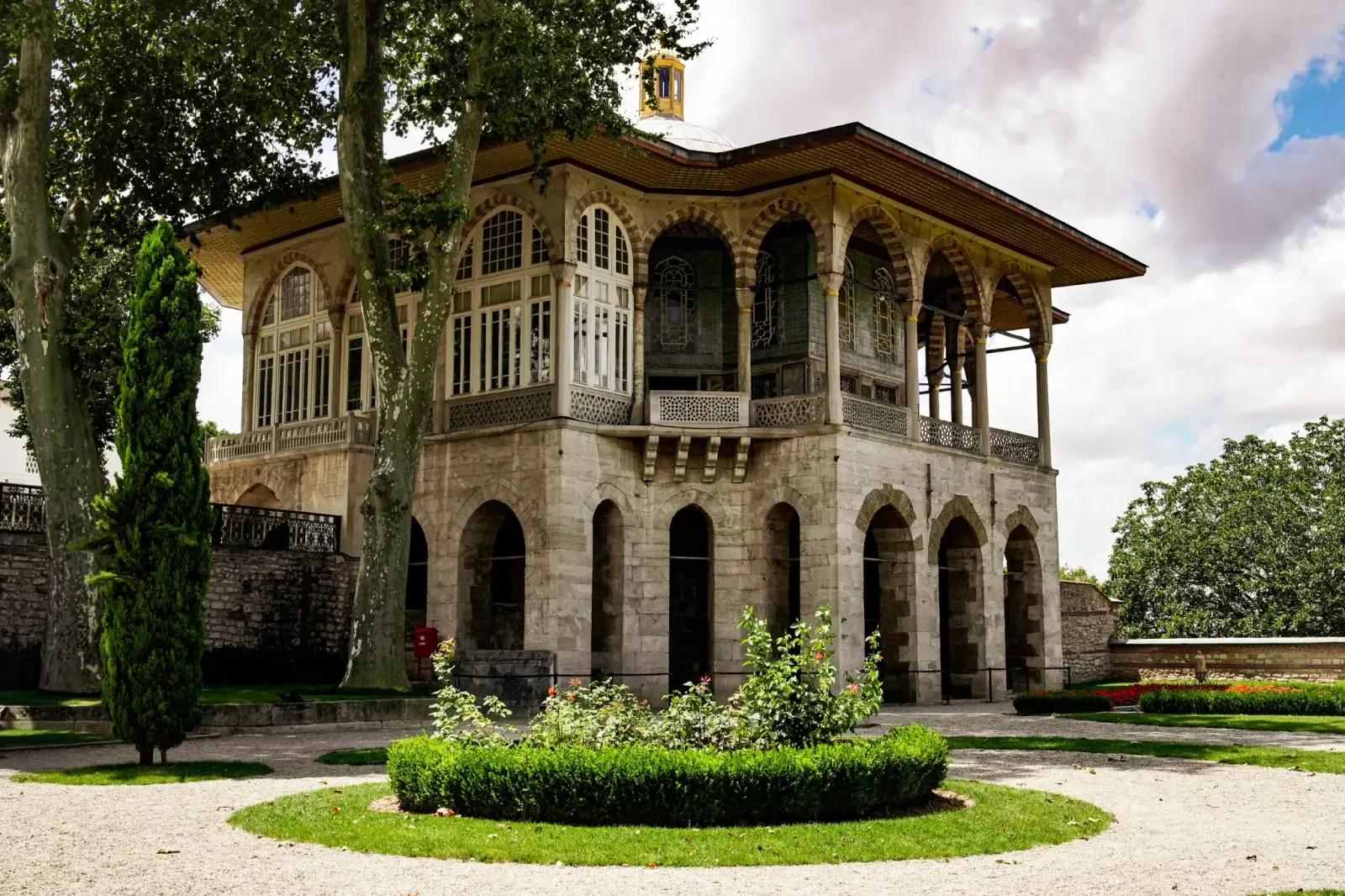
I stepped into the First Courtyard just as the early light was filtering through the plane trees. Even in the outer grounds, the transition from modern city noise to imperial enclave feels immediate. I crossed through the Gate of Salutation into the Second Courtyard, where the manicured lawns stretch out beneath tall, slender cypresses. Ottoman garden architecture was never about rigid geometry or dominating nature; it was about framing sightlines, inviting gentle breezes, and creating pockets of shade beneath pavilions.
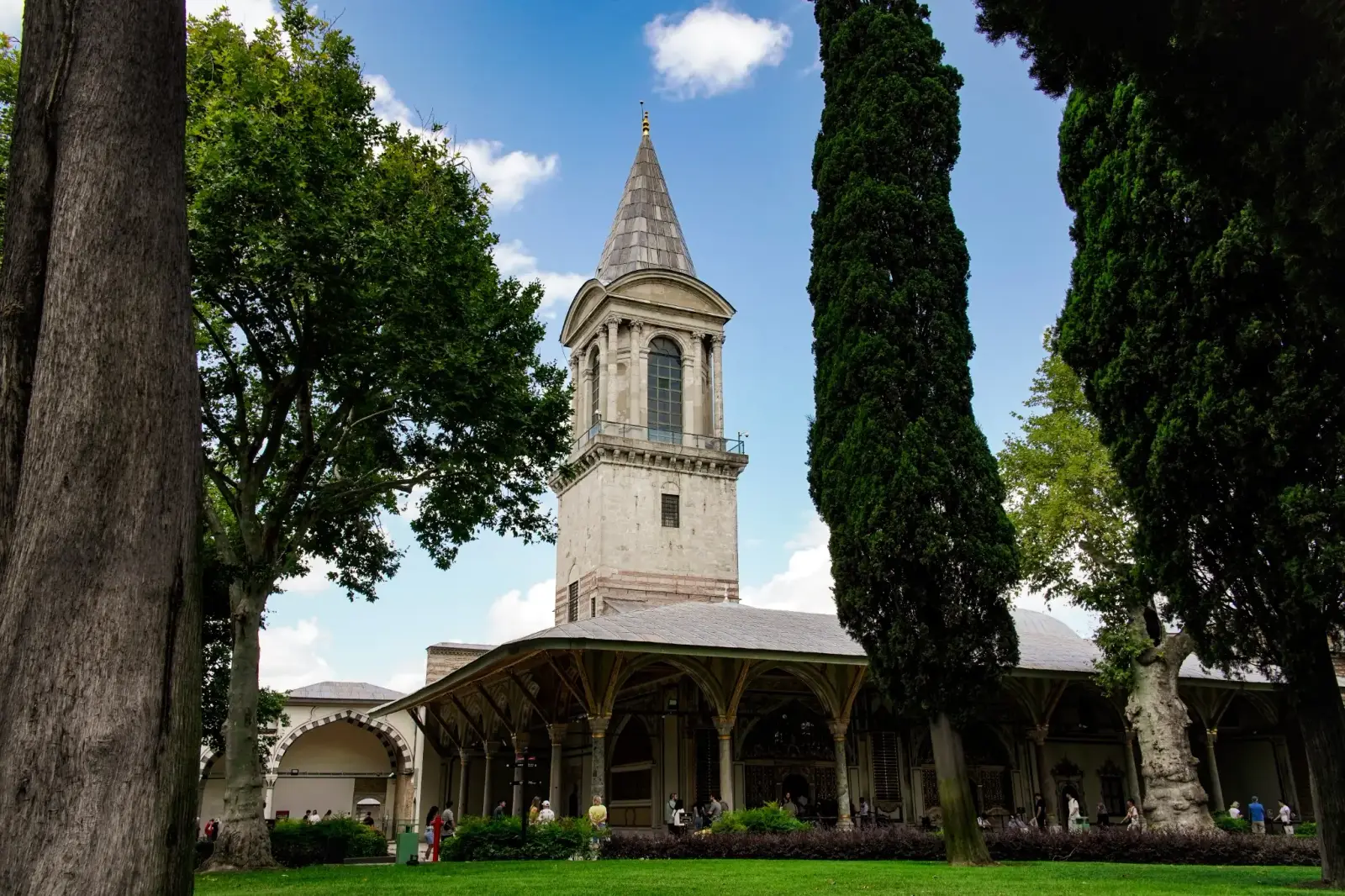
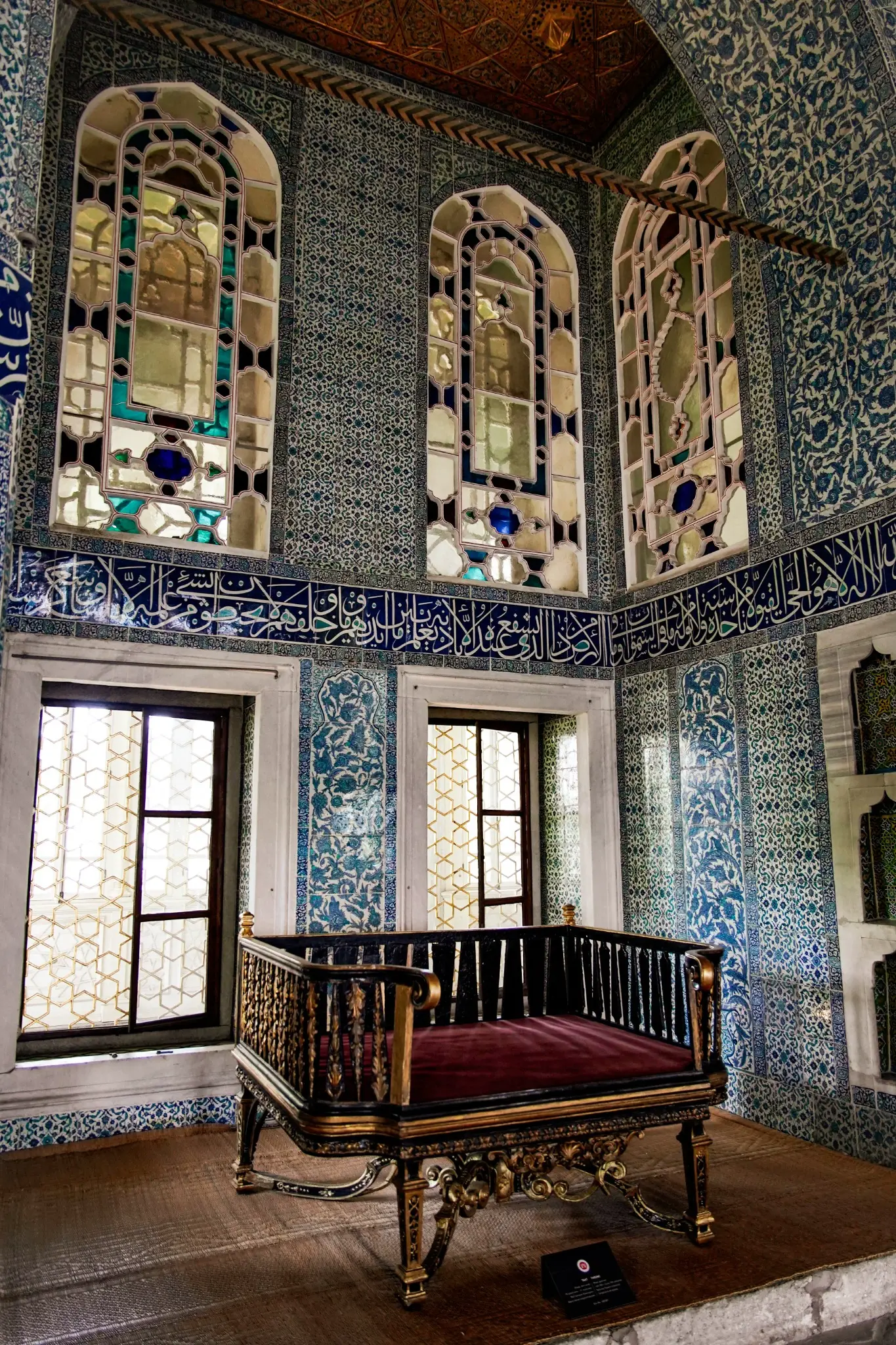
I walked beneath the portico of the Imperial Council Hall and took my time exploring the palace kitchens on the eastern flank. Their massive domed chimneys, which define the silhouette of the peninsula from the water, gave way inside to vast collections of delicate celadon and porcelain. But I was drawn primarily to the Harem, which requires its own deliberate pace. Entering those tiled corridors felt like stepping into an intricate porcelain box. In the chamber of Murad III, the murmur of the wall fountain and the deep cobalt and turquoise Iznik tiles created an atmosphere of profound stillness, cool and insulated from the Mediterranean sun.
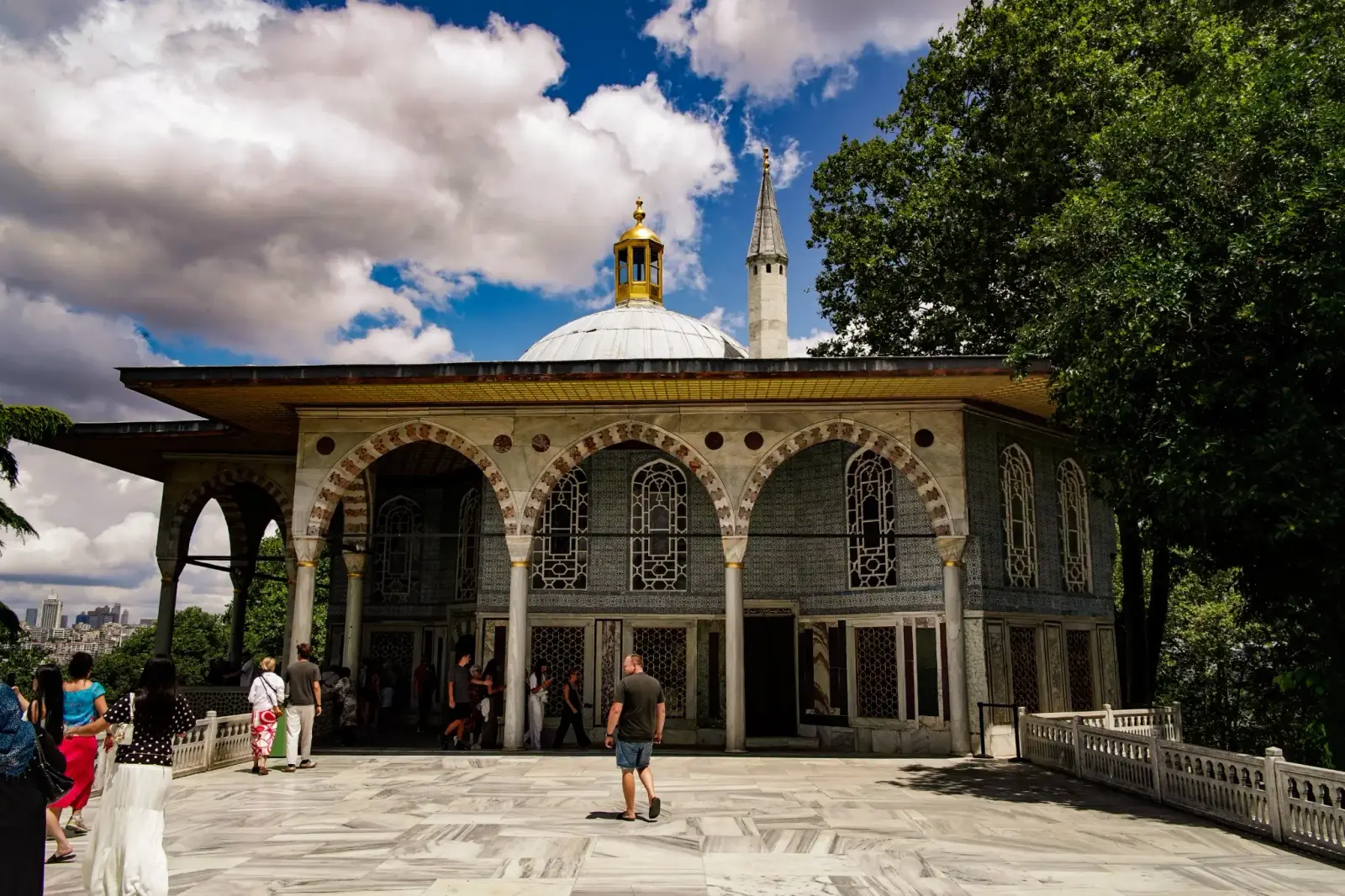
Moving up into the Fourth Courtyard, the palace opens entirely to the sky and water. Here, pavilions like the Baghdad Kiosk stand amid marble pools and citrus trees, suspended high above the strait. I sat for a long stretch on the marble terrace, watching container ships glide toward the Black Sea and passenger ferries weave white trails across the blue water. The relationship between the shaded kiosk, the stone balustrade, and the sweeping sea breeze is Ottoman spatial mastery at its finest.
Tickets and visiting hoursTopkapi Palace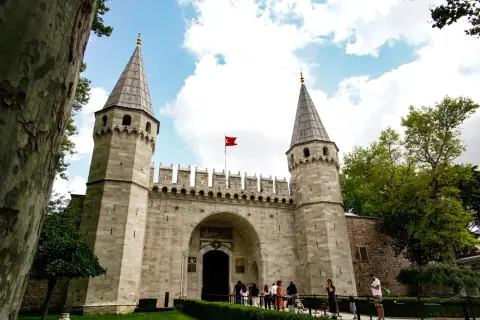
Descending into the subterranean shadows
Leaving the palace grounds in the early afternoon, I took the cobblestone lane running downward toward the tram line. The midday heat had begun to settle over the stone pavements, making my next destination all the more welcome. Just across from Hagia Sophia lies the unobtrusive street entrance to the Basilica Cistern.
Stepping down the stone stairs into the reservoir brought an instant drop in temperature. The scent changed in an instant—cool moisture, damp brickwork, and still water. Before me opened a vast subterranean forest of three hundred and thirty-six marble columns, rising out of the shallow water to support brick cross-vaults.
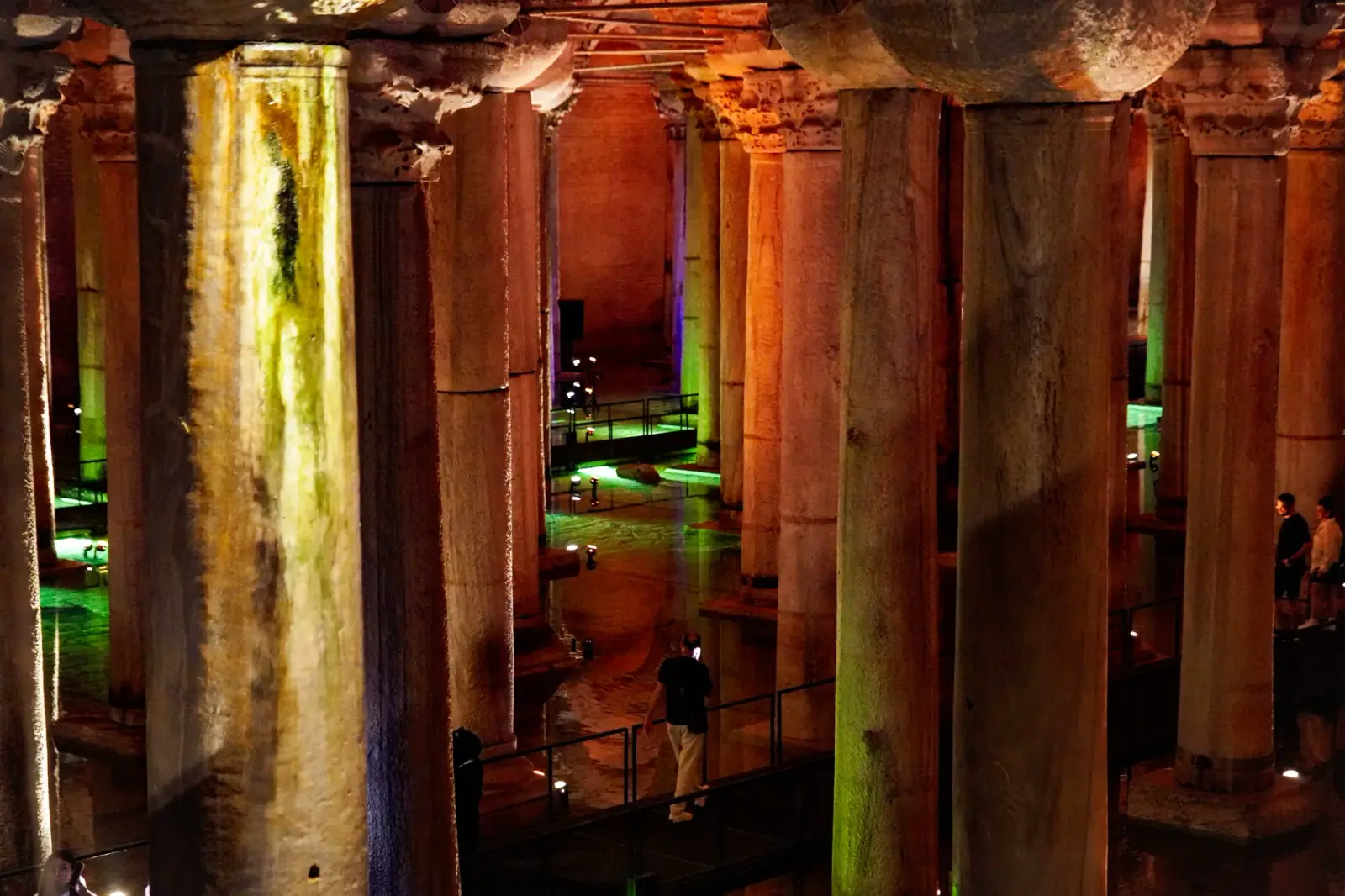
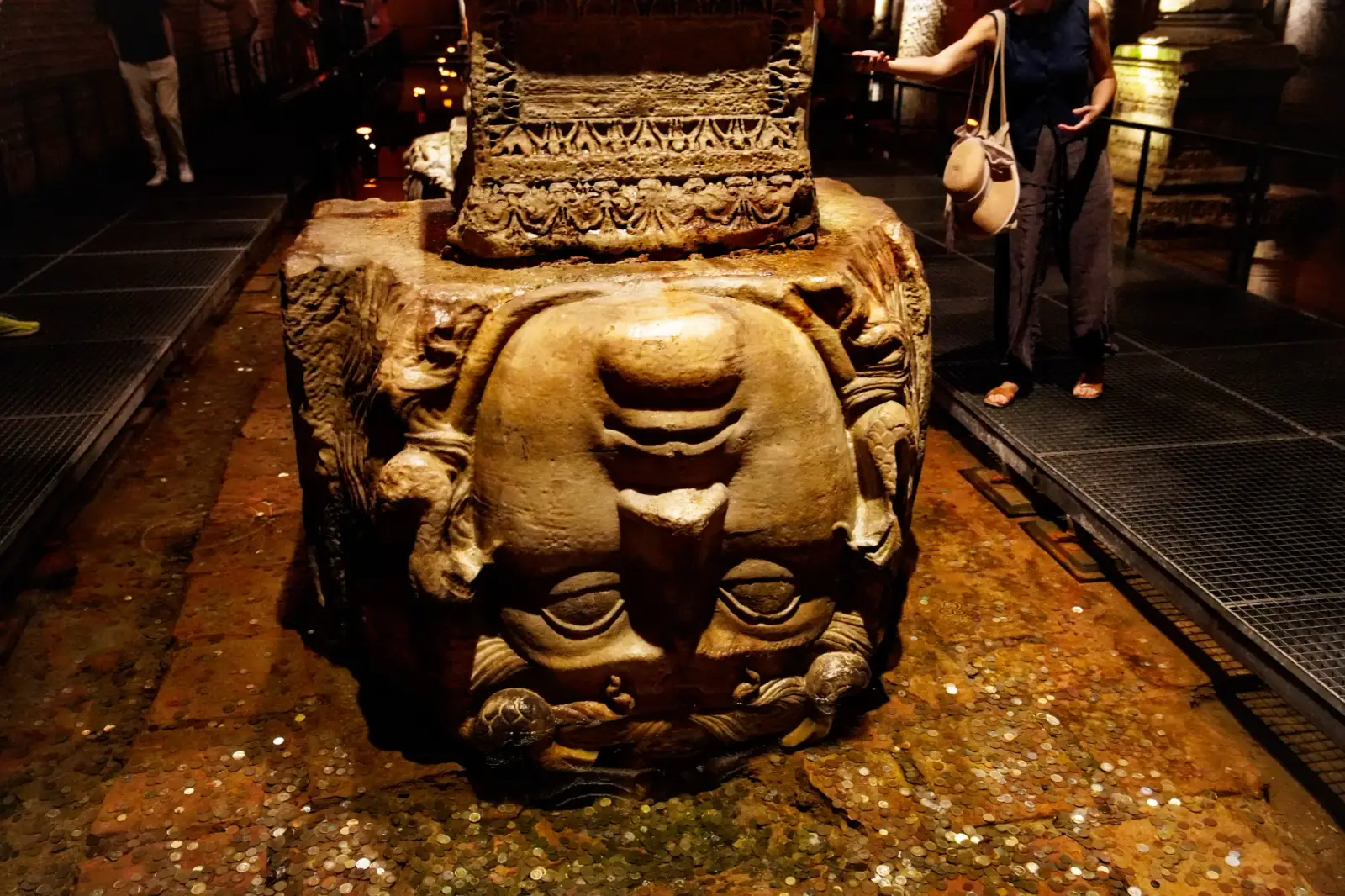
I walked along the raised timber pathways, listening to the steady, rhythmic drip of water falling from the brick arches overhead. The lighting inside is subtle, casting soft reflections of the fluted columns onto the water's surface. What fascinates me most as a designer is the pragmatic reuse of history here: Byzantine builders salvaged columns from older classical temples throughout the empire. Toward the northwest corner, I paused before the two massive Medusa heads serving as column plinths, one turned sideways and the other completely upside down. Placed beneath the water's surface centuries ago, their silent, monumental presence remains mesmerizing.
I also stopped at the Weeping Column, its surface carved with tears and peacocks' eyes, perpetually glistening with condensation. The whole visit took little more than an hour, but emerging back onto the sunlit square felt like returning from another realm.
Tickets and visiting hoursBasilica Cistern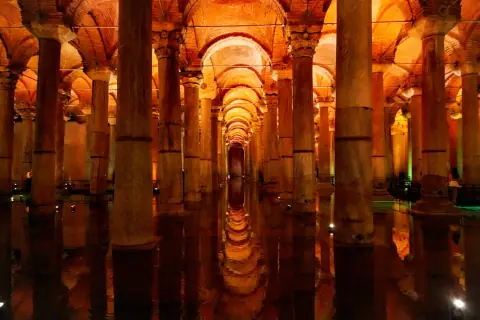
An unhurried evening beside the palace walls
By late afternoon, the shadows across Sultanahmet Square had grown long. Rather than rushing off to another monument, I allowed myself a slow stroll behind Hagia Sophia toward Soğuk Çeşme Street, a picturesque lane tucked right against the outer masonry walls of Topkapı Palace. The old timber Ottoman houses here lean gently over the cobblestones, shaded by wisteria and creeping vines.
Here, nestled directly by the ancient stone walls, is Chimney Bistro. With its warm brick bar and relaxed, open-roofed dining area, it felt like the exact sanctuary I needed after a day on my feet. The evening air was gentle, and sitting beneath the open sky with the silhouette of the palace ramparts towering just above gave dinner a wonderful sense of seclusion.
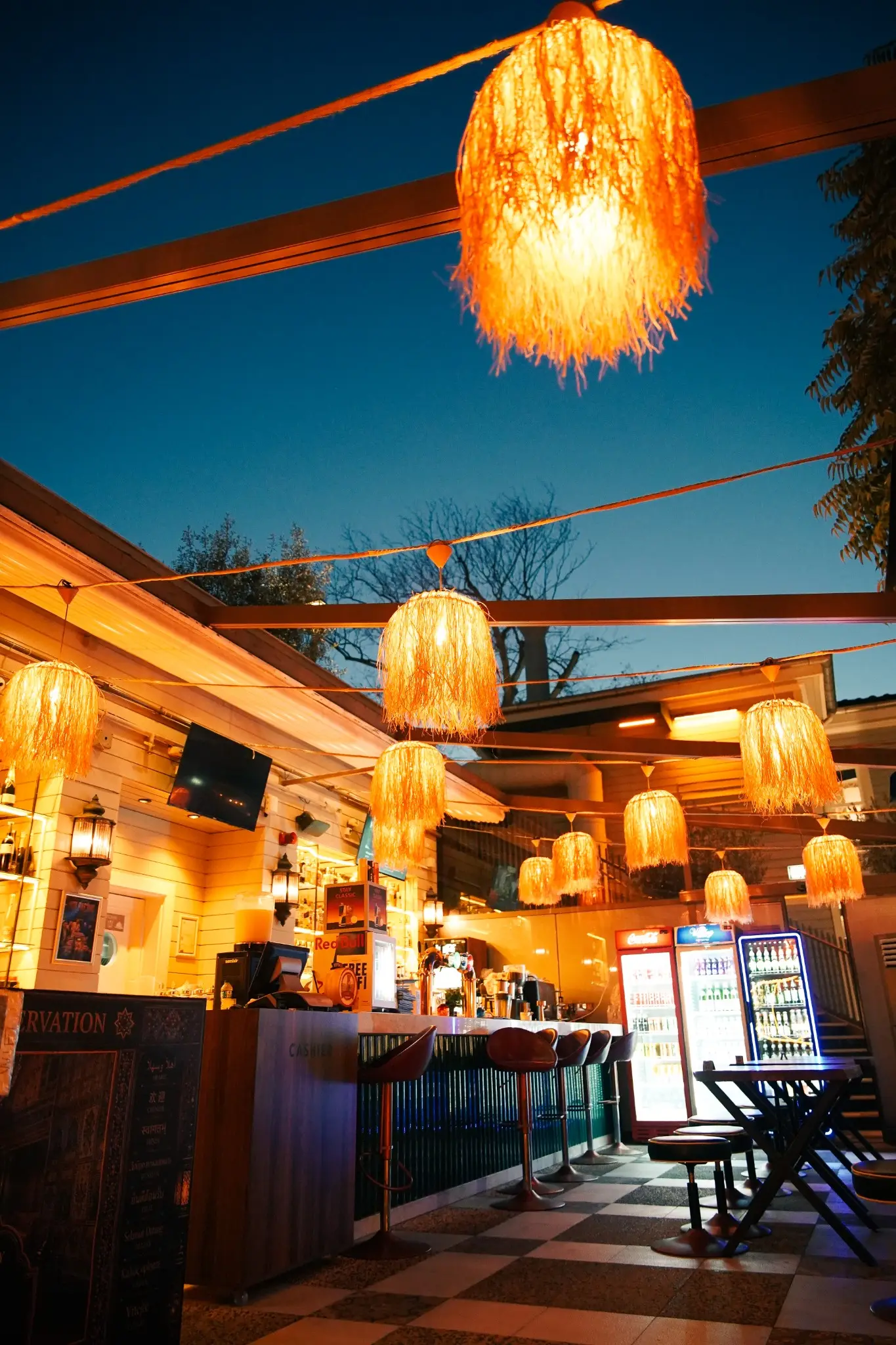
I ordered their Chimney Combo, starting with a glass of crisp local wine while I jotted down a few sketches in my notebook. The beef pide arrived piping hot from the oven, its crust blistered and golden, followed later by a rich pasta dish that felt deeply comforting. Sitting there as dusk turned the sky deep indigo, with the murmur of the old quarter around me, was the perfect counterpoint to the morning's imperial grandeur.
Book a table and the meal comboChimney Bistro, Sultanahmet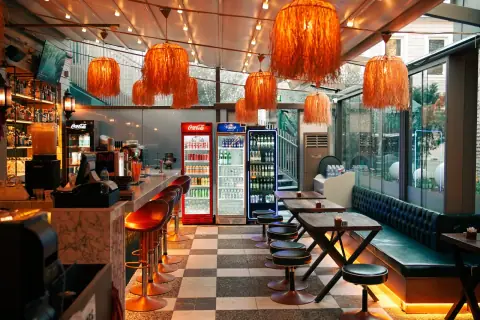
What I would do the same next time
- Dedicating the morning entirely to Topkapı and the Harem without trying to squeeze in another massive museum gave me the headspace to appreciate the gardens and architectural details properly.
- Entering the Basilica Cistern during the warmest part of the day was an effortless way to reset both body and mind.
- Choosing a dinner spot tucked right against the palace walls, like Chimney Bistro, meant I ended the day in quiet contemplation rather than battling traffic to cross the Golden Horn.